Why Rainwater Tanks Need Professional Pressure Cleaning
Rainwater tanks help Toowoomba households maintain water supplies for gardens, toilets, laundry and, where appropriately managed, drinking. However, roof runoff can carry dust, leaves, bird droppings and other contaminants into storage. Over time, sediment accumulates on the tank floor and biofilm can develop on internal surfaces. Professional cleaning helps remove this build-up, but pressure cleaning must suit the tank’s material, condition and intended water use.
How Contamination Builds Up Inside Rainwater Tanks
Gutter screens and first-flush diverters reduce incoming debris, but they do not keep every fine particle out. In Toowoomba, dry periods can allow dust and organic matter to collect on roofs before rainfall washes it towards the tank.
Accumulated sludge can contribute to unpleasant odours, discoloured water and blocked filters. Disturbance during heavy inflows or when water levels fall can also draw sediment towards the outlet. Water that looks clear is not necessarily safe to drink, so appearance alone is not a reliable measure of quality.
Why Professional Cleaning Matters
Controlled Pressure Protects Tank Surfaces
More pressure is not always better. Excessive force can damage coatings, seals, fittings or deteriorated surfaces. A competent cleaner assesses whether the tank is polyethylene, concrete, steel or another material, then selects suitable pressure, nozzles and cleaning methods. Some tanks require gentler washing rather than aggressive pressure cleaning.
Sludge Must Be Removed, Not Simply Dislodged
Spraying internal walls without extracting the loosened material leaves contamination inside the tank. Professional cleaning may combine controlled washing with pumping or vacuum extraction to remove sediment. Ask whether the proposed service requires full drainage or whether a suitable low-water sludge-removal method is available.
Tank Access Presents Serious Safety Risks
Never climb into a rainwater tank to clean it yourself. Tanks can present confined-space hazards, including unsafe atmospheres, restricted access and difficult rescue conditions. Professional providers should assess these risks and use https://sergioxjnx436.readspirex.com/posts/soft-washing-vs-pressure-washing-which-suits-your-roof-best external cleaning methods where practical. Any necessary entry requires appropriate safety procedures, equipment and competent personnel.
When Should a Toowoomba Tank Be Cleaned?
Cleaning frequency depends on roof conditions, nearby trees, screening, water use and sediment accumulation. Australian public health guidance commonly recommends inspecting tanks for sludge at least every two to three years, with cleaning when required. Check sooner if you notice persistent odours, visible sediment, recurring filter blockages or evidence of animal entry.
If drinking water develops an unusual taste, smell or appearance, use a known safe alternative while the cause is investigated. Cleaning alone does not guarantee microbiological safety; testing or appropriate treatment may also be necessary.
What to Ask Before Booking
- Does the cleaning method follow the tank manufacturer’s guidance?
- How much stored water needs to be removed?
- How are sludge and wash water collected and disposed of appropriately?
- Are products and equipment suitable for tanks storing drinking water?
- Does the service include checking accessible screens, lids and fittings?
Keep Your Tank Cleaner Between Services
Clear gutters regularly, maintain first-flush devices and keep access lids secure. Check inlet and overflow screens for damage so insects and animals cannot enter. Arrange repairs promptly if you find cracks, leaks or damaged fittings.

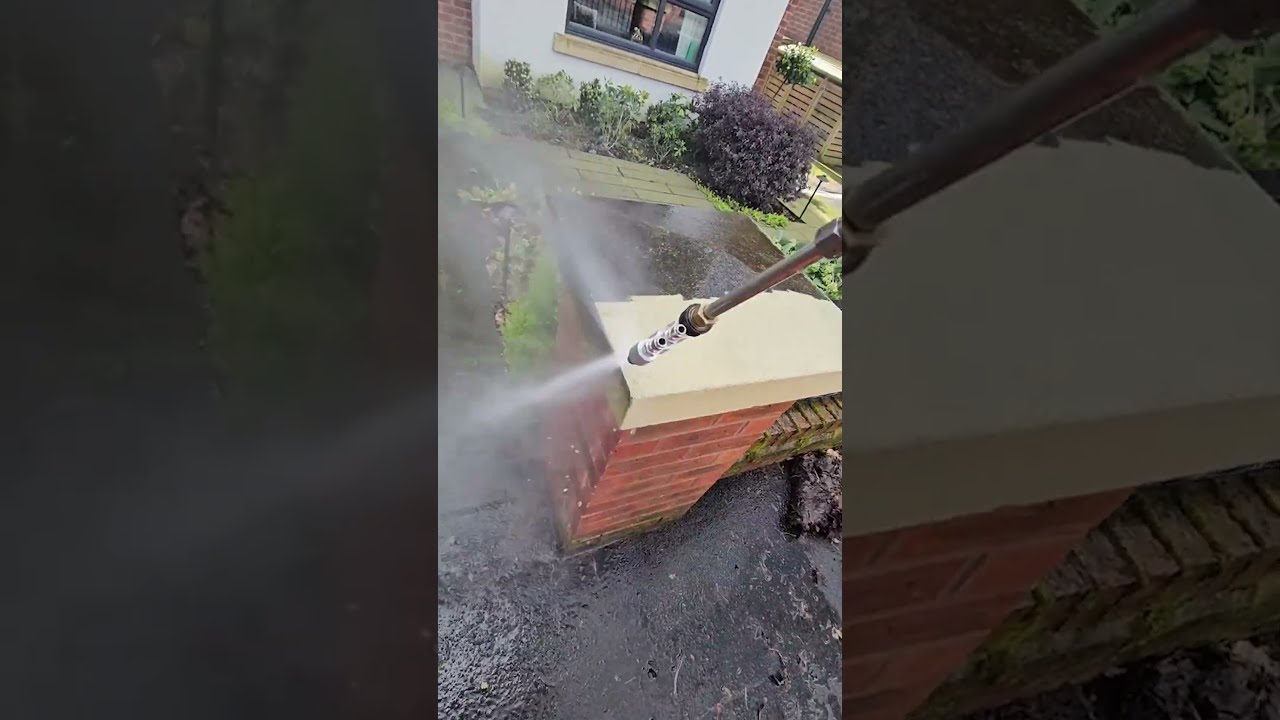
For Toowoomba properties, the best approach combines routine maintenance with condition-based professional cleaning. Choose a provider who prioritises effective sediment removal, tank protection and safe working practices, rather than simply offering the highest cleaning pressure.
Toowoomba Pressure Cleaning Pros
(07) 4646 4034